General safety for Alaskan chainsaw milling

Joined
May 21, 2025
Messages
15
Howdy I recently started milling wood and have been trying to find information's on things I should look out for while milling, I was particular but also looking for general advice on how to do it such as stance when you first start milling and the chain start going into the wood if it could swing back at all same thing when your at the end of the wood if it could make a 180 and come at ya those are the point I feel the most uncomfortable I dot know if this is just me being a first time. Something ells ive encountered is my chain gets stuck what ive done when that happens is stop holding the chain trigger back up and then resume milling could this be a dole chain or maybe to tight or to loose? and is it something that could pose a risk? if you any other advice or things you have learned while milling id love to hear.
thanks
 
Howdy I recently started milling wood and have been trying to find information's on things I should look out for while milling, I was particular but also looking for general advice on how to do it such as stance when you first start milling and the chain start going into the wood if it could swing back at all same thing when your at the end of the wood if it could make a 180 and come at ya those are the point I feel the most uncomfortable I dot know if this is just me being a first time. Something ells ive encountered is my chain gets stuck what ive done when that happens is stop holding the chain trigger back up and then resume milling could this be a dole chain or maybe to tight or to loose? and is it something that could pose a risk? if you any other advice or things you have learned while milling id love to hear.
thanks
Getting a lot of sawdust in the chain is pretty common. Excess dust left behind in the cut gets picked up by the back of the bar and then travels towards the tip where it will clog up the roller and make the chain hard to turn. Not an issue of sharp or dull. Ripping chain cuts finer dust and doesn't clear out of the cut as well as cutting chain.
Starting a cut takes a bit of finess to make sure you're starting it flat. Best case is to stand at the rear of saw first and start cut till bar is fully into cut before positioning yourself behind it.
I can't stress enough that it is imperative to file chain correctly so that it cuts arrow straight. Otherwise it will start to bind up as get down the cut aways. If it's hard to push, it's binding. Dull chain will also make it harder to push but not nearly to the degree crooked cutting will. If you can't fix it with a file, have it machine sharpened to correct it.
As an aside, I've built 4 outbuildings from true dimension oak. I've spent some time with it and like any machine, the operator has to tune in to any proclivities you're experiencing. Good on you for asking for tips.
 
Getting a lot of sawdust in the chain is pretty common. Excess dust left behind in the cut gets picked up by the back of the bar and then travels towards the tip where it will clog up the roller and make the chain hard to turn. Not an issue of sharp or dull. Ripping chain cuts finer dust and doesn't clear out of the cut as well as cutting chain.
Starting a cut takes a bit of finess to make sure you're starting it flat. Best case is to stand at the rear of saw first and start cut till bar is fully into cut before positioning yourself behind it.
I can't stress enough that it is imperative to file chain correctly so that it cuts arrow straight. Otherwise it will start to bind up as get down the cut aways. If it's hard to push, it's binding. Dull chain will also make it harder to push but not nearly to the degree crooked cutting will. If you can't fix it with a file, have it machine sharpened to correct it.
As an aside, I've built 4 outbuildings from true dimension oak. I've spent some time with it and like any machine, the operator has to tune in to any proclivities you're experiencing. Good on you for asking for tips.
Thanks alot! what your describing with incorrectly filing the chain sounds like something I am having trouble with it sure is tough to push along and also I have only ever shaped a chain like 3 times and that's recently. what are your thoughts on those chainsaw jigs specifically the timberline chainsaw sharpener? could I use that on a ripping chain too? or does a ripping chain need to be hand sharpened. Also what direction is the correct direction to mill use the top of the bar or the bottom I have seen most people use the bottom but I have use the top of the bar and it does seam to go quicker. Is that okay to or is that a stupid idea? Thank you again!
 
Thanks alot! what your describing with incorrectly filing the chain sounds like something I am having trouble with it sure is tough to push along and also I have only ever shaped a chain like 3 times and that's recently. what are your thoughts on those chainsaw jigs specifically the timberline chainsaw sharpener? could I use that on a ripping chain too? or does a ripping chain need to be hand sharpened. Also what direction is the correct direction to mill use the top of the bar or the bottom I have seen most people use the bottom but I have use the top of the bar and it does seam to go quicker. Is that okay to or is that a stupid idea? Thank you again!
Never considered using the top of the bar. Not an expert, but using the bottom sucks the saw into the log. Sounds like a LOT of work to push back against the saw AND move it into the log.
I've never used a file guide but a few times some 40 years ago. Seems like any way you slice it, there are subtle differences filing either side by hand or guide. The trick is to recognize that and then making equally subtle adjustments to correct it. Even my Silvey 510 which I only use to correct a badly damaged chain (hitting a nail or something) won't grind both sides exactly just using exactly the same settings. But a guide can be a good tool for some overall consistency and always worth a try if you're having issues. They can be used on ripping chain no problem. Just keep in mind the grind is significantly different than cutting chain.
I know something is wrong if I'm pushing hard. Razor sharp and cutting straight takes very little effort to push in oak or walnut. I've found that cutting against the grain dulls chain a lot faster than normal bucking so frequent touch ups will reduce your effort.
By the way. Get a couple of wedges. When about to finish your cut a foot or less from the end, push a wedge in the cut on both sides. Not hard, just firm. Prevents the bar from getting trapped and all that dust getting forcibly trapped in the chain.
 
Sorry for jumping in late. If you notice binding at the beginning or end of your cut, I think it usually means something's off with your chain angles or that your clearing isn't quite right. To keep things running smoothly and safely, make sure you're sharpening your blades consistently and keeping a good grip on the bar. It really makes a difference
 
Thanks alot! what your describing with incorrectly filing the chain sounds like something I am having trouble with it sure is tough to push along and also I have only ever shaped a chain like 3 times and that's recently. what are your thoughts on those chainsaw jigs specifically the timberline chainsaw sharpener? could I use that on a ripping chain too? or does a ripping chain need to be hand sharpened. Also what direction is the correct direction to mill use the top of the bar or the bottom I have seen most people use the bottom but I have use the top of the bar and it does seam to go quicker. Is that okay to or is that a stupid idea? Thank you again!
Pushing the saw is a sure sign your chain is either dull or filed incorrectly.. it's not only hard on you, it's also a major safety issue!
Sharpening with a jig like the Timberline chainsaw sharpener is good, especially for someone new to filing.
It gives you a consistent, accurate angle every time, which is tough to do by hand.
You can absolutely use it on a ripping chain but you need to set the proper angles, which are generally shallower than for a cross-cut chain.
Using the top of the bar is called climb cutting.. it feels faster because the chain is pulling itself through the wood, but that is extremely dangerous due to the high risk of kickback, where the saw can come flying back at you!
What's correct and safer is conventional cutting which is using the bottom of the bar.
It's a slower, more controlled cut because the chain is working against the rotation of the engine.
This provides much more stability and is the safest way to mill!
 
Yes, I agree. You're right about keeping cuts clean and paying attention to angles. Especially, it's better to stick with normal cutting methods to stay safe and in control.
 
Sorry I haven't responded for a while but thank you guys this is really helpful. I have a Stihl sharpener are those pretty good? ive been looking into the timberline. Also what's the difference between a 3/8th crosscut chain and a 3/8th ripping chain? there at the same angle. I am looking to get a new and longer bar for my chainsaw looking for something economical is that a worry if they are not as good quality, they could be unsafe? same with an economical chain there fear of it breaking?
Thank you so much guys!
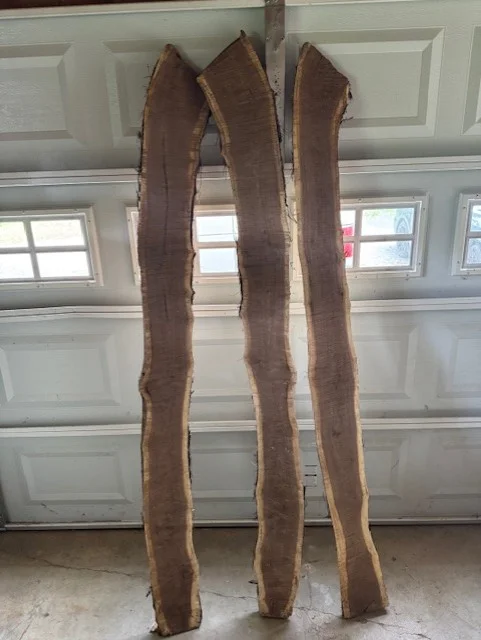
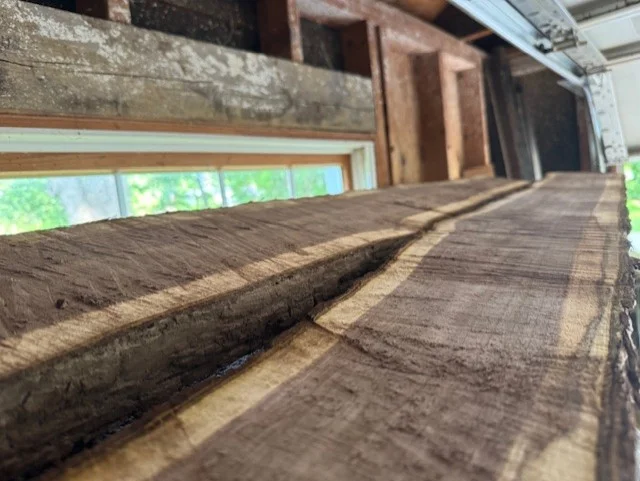
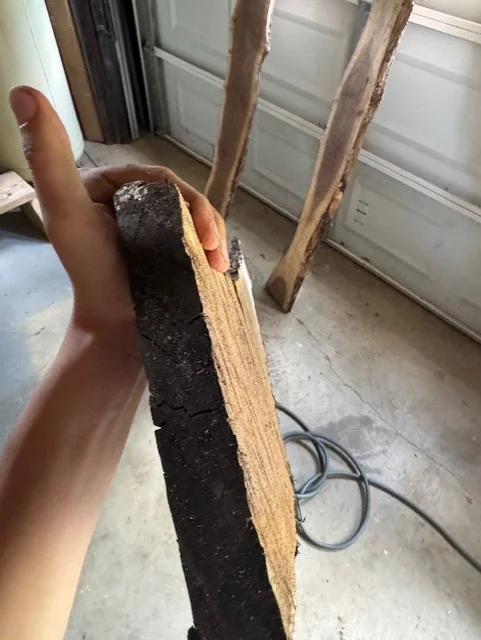
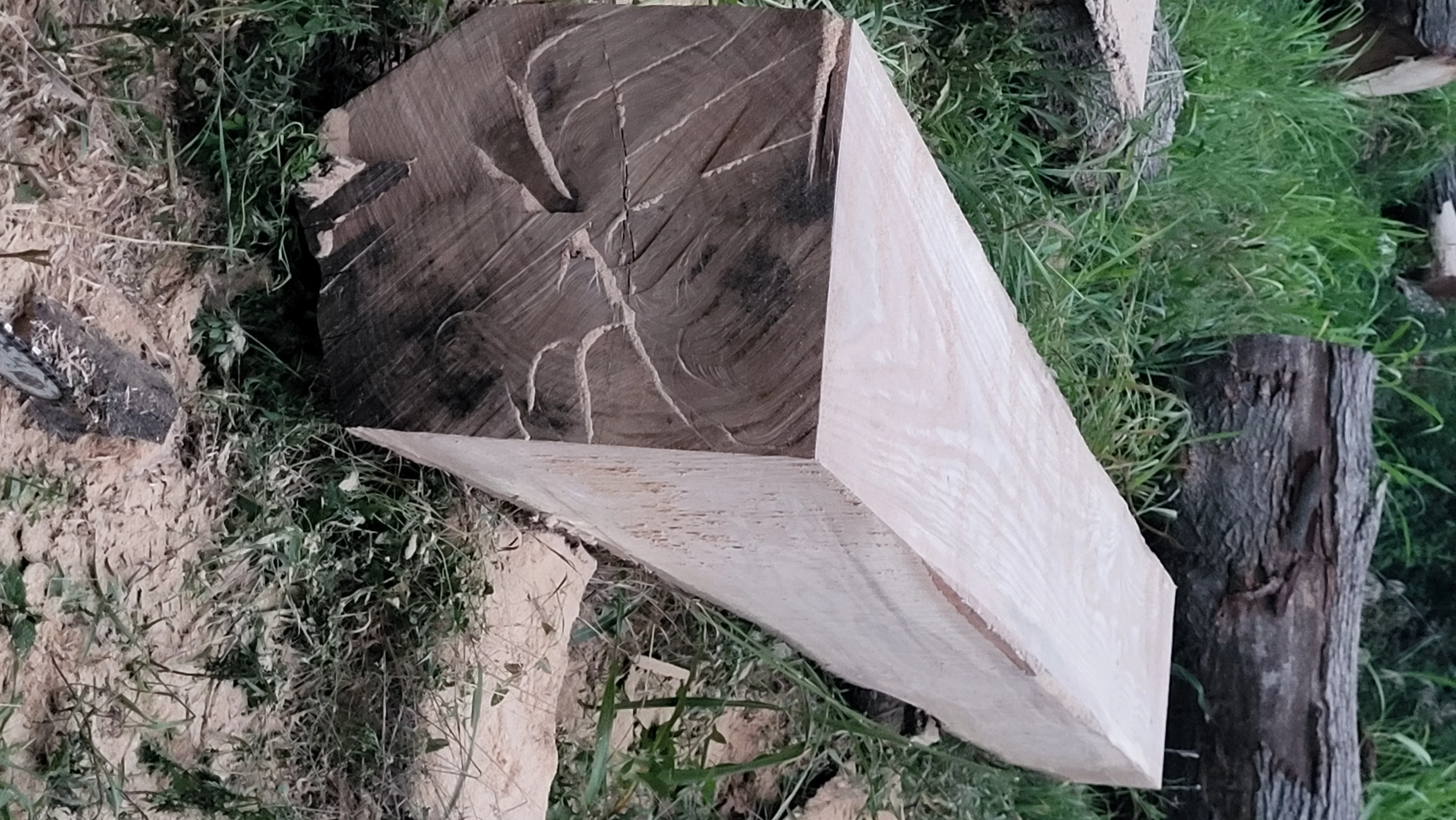
Here is some wood I have milled so far.
1756769389236.webp

1756769404780.webp

1756769427124.webp
 
Sorry I haven't responded for a while but thank you guys this is really helpful. I have a Stihl sharpener are those pretty good? ive been looking into the timberline. Also what's the difference between a 3/8th crosscut chain and a 3/8th ripping chain? there at the same angle. I am looking to get a new and longer bar for my chainsaw looking for something economical is that a worry if they are not as good quality, they could be unsafe? same with an economical chain there fear of it breaking?
Thank you so much guys!
Here is some wood I have milled so far.
View attachment 148
View attachment 149
View attachment 150
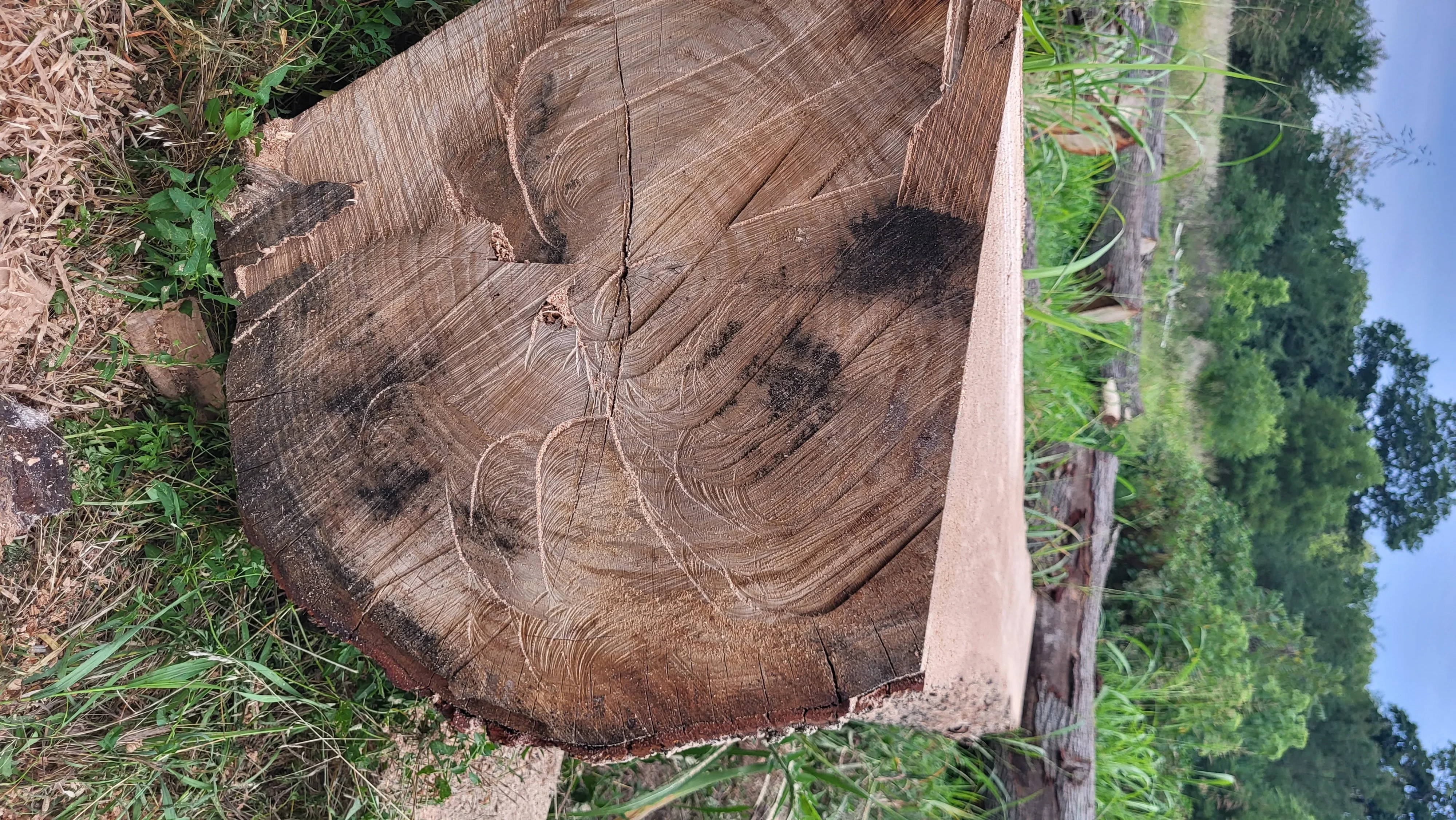
Those slabs were milled with an Alaskan? Maybe it's the picture but they look incredibly rough as if you used a monstrous amount of effort forcing the saw through the log. A lot of different cut angles too like you were using the dogs to force it through? I'm not poking at you at all, I'm just seeing some kind of serious cutting issue. Ripping chain will give you a cleaner, smoother cut than cutting chain. Angles are different on the top plate, usually 10° ripping, 35° cutting. But you have more than that going on if you used a mill. Cuts with a mill should be smooth and straight. Oak log pics. Notice the smoothness of the top (ripping) and the rougher appearance of the vertical cut (cutting chain on smaller different size saw and bar)

Honestly dont know why pics loaded sideways. Sorry. Guess you'll have to turn your device sideways


20220815_191952.webp
20220815_201635.webp
 
Sorry I haven't responded for a while but thank you guys this is really helpful. I have a Stihl sharpener are those pretty good? ive been looking into the timberline. Also what's the difference between a 3/8th crosscut chain and a 3/8th ripping chain? there at the same angle. I am looking to get a new and longer bar for my chainsaw looking for something economical is that a worry if they are not as good quality, they could be unsafe? same with an economical chain there fear of it breaking?
Thank you so much guys!
Here is some wood I have milled so far.
Stihl sharpeners are good for simple touch-ups. Timberline gives you a more exact edge. Use crosscut chains for regular jobs, and ripping chains when you're milling wood, they give cleaner cuts. Inexpensive bars and chains will do in a pinch, but look out for bad heat treating or flimsy rivets because staying safe is key.
 
Those slabs were milled with an Alaskan? Maybe it's the picture but they look incredibly rough as if you used a monstrous amount of effort forcing the saw through the log. A lot of different cut angles too like you were using the dogs to force it through? I'm not poking at you at all, I'm just seeing some kind of serious cutting issue. Ripping chain will give you a cleaner, smoother cut than cutting chain. Angles are different on the top plate, usually 10° ripping, 35° cutting. But you have more than that going on if you used a mill. Cuts with a mill should be smooth and straight. Oak log pics. Notice the smoothness of the top (ripping) and the rougher appearance of the vertical cut (cutting chain on smaller different size saw and bar)

Honestly dont know why pics loaded sideways. Sorry. Guess you'll have to turn your device sideways


View attachment 151View attachment 152
Those slabs were milled with an Alaskan? Maybe it's the picture but they look incredibly rough as if you used a monstrous amount of effort forcing the saw through the log. A lot of different cut angles too like you were using the dogs to force it through? I'm not poking at you at all, I'm just seeing some kind of serious cutting issue. Ripping chain will give you a cleaner, smoother cut than cutting chain. Angles are different on the top plate, usually 10° ripping, 35° cutting. But you have more than that going on if you used a mill. Cuts with a mill should be smooth and straight. Oak log pics. Notice the smoothness of the top (ripping) and the rougher appearance of the vertical cut (cutting chain on smaller different size saw and bar)

Honestly dont know why pics loaded sideways. Sorry. Guess you'll have to turn your device sideways


View attachment 151View attachment 152
nono really thanks alot for the feedback I am new to doing this maybe been doing it for 8 months and still have alot to learn I have a Neotec witch once I can afford plan to convert it to 3/8s pitch but is that the best pitch for milling? This really makes sense when milling should I be rocking the bar back and fourth like all pull the front of the saw cut there then rock it back and cut the far side with the far bar instead should it jut be a consistent cut?
 
Stihl sharpeners are good for simple touch-ups. Timberline gives you a more exact edge. Use crosscut chains for regular jobs, and ripping chains when you're milling wood, they give cleaner cuts. Inexpensive bars and chains will do in a pinch, but look out for bad heat treating or flimsy rivets because staying safe is key.
ok gotcha that makes sense any economical bar bran you recommend along with chain brands?
 
should I be rocking the bar back and fourth
Shouldn't have to if it's cutting correctly. Wish I could be there in person to see what's going on with it. Maybe take a video of you cutting once you've got it started in the cut? Some close up pics of your mill in the cut? I just feel bad for you as it looks like your going to an excessive amount of effort trying to force the mill in the wood. Plus the amount of wood and time wasted trying to get those slabs flattened out.
Maybe just some basics here. It's imperative to get the cut started straight. I use the the push bar that connects the 2 rails as a reference making sure it is completely flat on the log face. I'll come in to the log at a slight angle and keep my eye on that bar the whole time making sure it isn't riding up anywhere, not even a couple of millimeters. As the main rail starts to slide along the log, I watch it too all along the length of it to see if it's flat and tight against the log. None of this means anything unless you make a perfect cut on the first slab because that cut determines all of the following cuts. If it's crooked, all of the following cuts will follow that curve, twist or burp, whatever you have. That means the rail system you set up to cut that first slab has to be spot on. It can't sag, move in any way as you bring the weight of the saw over it and if your saw is cutting crooked it can bend that rail towards where it wants to cut enough to put a dip in your full length cut. I use 2x4s. I have to eyeball them from several angles to make sure I'm not sawing a slight twist to the cut. Another way would be to get a level reading from the top of the rails all along the length of the cut. Believe me, that first cut is crucial to get right.
 
Last edited:
Getting the initial setup right and keeping an eye on rail flex are really important. It's smart to use the push bar as a guide and to check if the rail system dips at all.
 
ok gotcha that makes sense any economical bar bran you recommend along with chain brands?
For budget-friendly setups, Oregon's chains and bars are a great, lasting choice. Woodland Pro is also cheap, just be ready to swap them out a bit sooner. Go with known brands to avoid trouble with heat treating or rivets!
 
For budget-friendly setups, Oregon's chains and bars are a great, lasting choice. Woodland Pro is also cheap, just be ready to swap them out a bit sooner. Go with known brands to avoid trouble with heat treating or rivets!
Thanks for the great advice I just purchase a 36inch Oregan bar didn't know they also made chains I will have to look into that.
Thanks alot!
 
Thanks for the great advice I just purchase a 36inch Oregan bar didn't know they also made chains I will have to look into that.
Thanks alot!
Not to be a smart ass but Oregon brought saw chain into the modern era over 70 years ago. Studying the mouth parts of wood boring insects! They are (or were) the largest and most respected name in the industry. It's a long interesting history if you want to look it up... SawdustKing has great advice. The Duke's bars (Saw Salvage) are an economical choice as well.
 
Sorry I haven't responded for a while but thank you guys this is really helpful. I have a Stihl sharpener are those pretty good? ive been looking into the timberline. Also what's the difference between a 3/8th crosscut chain and a 3/8th ripping chain? there at the same angle. I am looking to get a new and longer bar for my chainsaw looking for something economical is that a worry if they are not as good quality, they could be unsafe? same with an economical chain there fear of it breaking?
Thank you so much guys!
Here is some wood I have milled so far.
View attachment 148
View attachment 149
View attachment 150
Thanks for sharing, those look awesome! I'm new to milling and just got a used Stihl MS391. How's the Stihl sharpener working for you? Does it keep the chain sharp for a long time? I'm also wondering about ripping vs crosscut chains, if the angle's the same, is it just the tooth shape that's different?
 
Not to be a smart ass but Oregon brought saw chain into the modern era over 70 years ago. Studying the mouth parts of wood boring insects! They are (or were) the largest and most respected name in the industry. It's a long interesting history if you want to look it up... SawdustKing has great advice. The Duke's bars (Saw Salvage) are an economical choice as well.
Woah thats pretty dang cool all check out those brands Thanks you very much.
 
Thanks for sharing, those look awesome! I'm new to milling and just got a used Stihl MS391. How's the Stihl sharpener working for you? Does it keep the chain sharp for a long time? I'm also wondering about ripping vs crosscut chains, if the angle's the same, is it just the tooth shape that's different?
Sthil sharpener has been working for me for crosscut chains but I recently got a ripping chain its a 3/8th pitch just like my Sthil sharpener but they do not line up whatsoever. So I am lost I bought some random Chinese brand maybe the screwed it up but that wouldn't make since because it fits on my 3/8th bar I plan to eventually buy as one of the Folks mentioned and Oregon chain. Another Guy in the chat also recommend the timberline sharpener never used it and its more than the Stihl sharpener but seams that you can adjust the angle on it.
 
Back
Top